Becoming Excellent

Excellence is a blessing and a curse. It’s always a noble pursuit. But it can be intimidating as well. With so much information and many high profile examples of what excellence looks like, how can we contribute in a significant way?

Regardless of what you aspire to do, excellence is a worthy goal. But it probably won’t be your starting point. So how do you get there? Try this.

Organizational Problem-Solving Made Simple

If you have a leadership role at work, solving problems is just part of the equation. It doesn’t take long to realize that problem-solving can be pretty complicated. What type of problem is it? What caused it? What is the best action to take? And on top of all that, often times we either feel unqualified or under-resourced to come up with the best solution.

Welcome to organizational leadership.

[ File # csp4009686, License # 2827067 ] Licensed through http://www.canstockphoto.com in accordance with the End User License Agreement (http://www.canstockphoto.com/legal.php) (c) Can Stock Photo Inc. / maigi

3 Continuous Improvement Questions You Ought to Consider

What comes to mind when you think about continuous improvement? Hopefully you believe it’s a leadership responsibility we all share each and every day. “CI” doesn’t discriminate based on seniority, title, pay grade or job function. Good ideas can come from everywhere. And in a changing environment where what worked yesterday may not work best today, there is all kinds of opportunity.

That being said, continuous improvement isn’t easy and it doesn’t happen by itself. It requires the active involvement of as many people as possible… which brings me back to the question: how do you think about continuous improvement?

Continuous Improvement

7 Types of Waste Productivity Leaders Eradicate

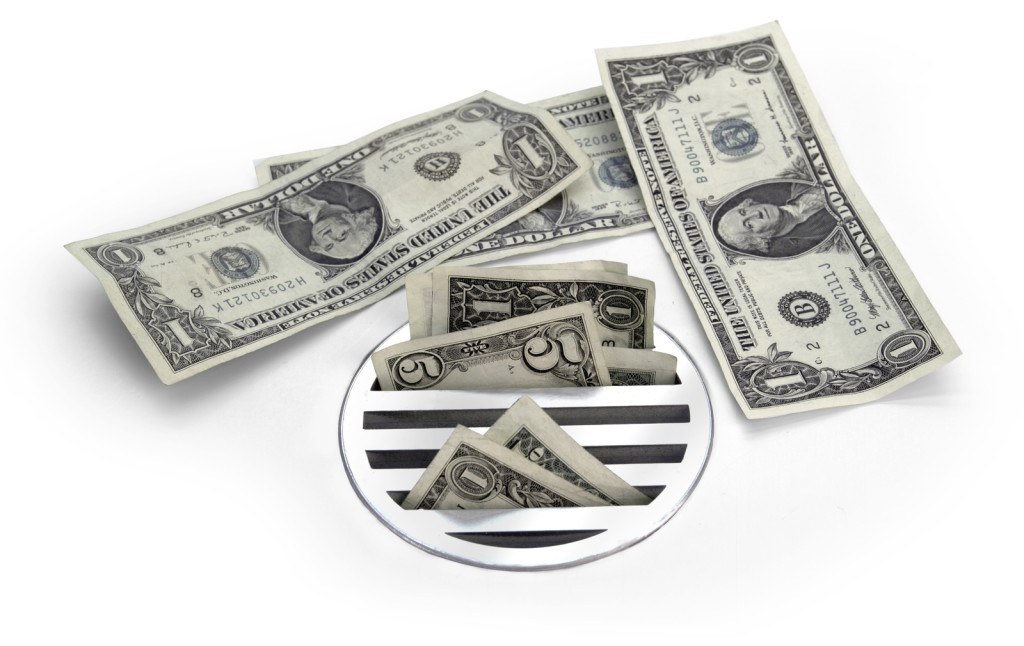
How much is waste costing your organization? It’s possible you may not have thought much about it before. After all, things are busier than they’ve ever been and we all have our jobs to do. As long as we can get the work done and enough funds are coming in the door, it’s a good day, right?

You’ve heard the old adage “a penny saved is a penny earned.” But consider the following business scenario: if your operating profit is 10% and you are able to eliminate enough waste to lower your costs by 10%, your profits will nearly double without earning any addition revenue. Pennies aren’t worth much in today’s dollars, but add a few zeros on the end and it adds up quickly.

You don’t need to be in a profit-producing role or be Six Sigma certified to be a productivity leader. There’s waste everywhere – in for-profit and non-profit organizations alike – and in every function. It’s a leadership responsibility to identify and drive out waste when we see it.

Money Down Drain

Great Leaders SERVE

I had the chance to travel to Greece and Bulgaria recently and give a series of leadership presentations to several university groups with a small team of business professionals. The sights, food and people were reward enough, but getting to share our leadership presentations with the future leaders of two countries added a special sense of purpose to the trip. Even better, our message had been carefully constructed to include leadership principles that have proved timeless across all disciplines. Let me tell you more about it.

Mark Miller developed the SERVE model and curriculum and collaborated with Ken Blanchard to publish it in their book The Secret. Each member of our small team presented a portion of the model. I’ll summarize it for you here below.

Waiter Serving Dish